Last updated on 12/28/25 | First published on 2/13/20 | Literature review current through Mar. 2026
[cite]
Authors:
Sam Lebedinsky BS, CNA,
Elaine Horibe Song MD, PhD, MBA,
Nataliya Lebedinskaya RN, BSN, CWOCN,
Topic editors:
Erin Tharalson DNP, RN, ANP-BC, CWS,
more...
Coauthor(s)
Elaine Horibe Song, MD, PhD, MBACo-Founder and Editor, Wound Reference, Inc;
Professor (Affiliate), Division of Plastic Surgery, Federal University of Sao Paulo;
Volunteer, Association for the Advancement of Wound Care;
Google Scholar Profile
Disclosures: Nothing to disclose
Nataliya Lebedinskaya, RN, BSN, CWOCN
Disclosures: Nothing to disclose
Sam Lebedinsky, BS, CNA
Disclosures: Nothing to disclose
Editors
Erin Tharalson, DNP, RN, ANP-BC, CWS
Disclosures: Nothing to disclose
What if I don’t cook?
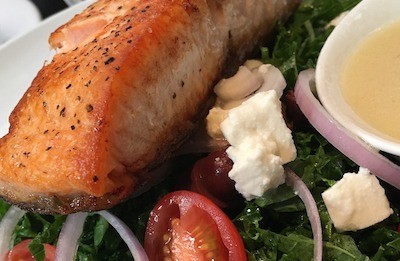
One of the greatest challenges to having optimal nutrition is time. Fresh, healthy foods can be delicious when prepared right. But this requires certain skills and experiences in the kitchen, as well as enough time to prepare, cook, and eat your meal. Meal preparation can be mentally exhausting, especially with the added stress and pressure from a wound that needs to heal.
Luckily, there are meal delivery services to help remove that stress!
These services offer fresh, home-made, healthful meals delivered right to your door, so you do not have to worry about obtaining the right amount of macro and micronutrients. Meal delivery programs range in their food selection, the condition-specific plans that they offer, and of course, pricing. Some programs even have a registered dietitian available to speak with individuals about specific nutritional requirements and questions.
Explore options and find the right program for you
Some of these options are:
- Mom’s Meals: They have specific meal plans which include vegetarian, heart-healthy (low sodium, low fat), diabetic-friendly, renal-friendly, and gluten-free. They also have a registered dietitian available to speak with regarding nutritional needs. You may qualify for government or health plan assistance and have Mom’s Meals delivered at little or no cost to you if you answer ‘yes’ to any of the questions below:
- Are you over 65?
- Are you disabled?
- Do you require assistance with grocery shopping and/or preparing meals?
- Are you on Medicaid/Medicare or a member of a Health Insurance Plan that offers a paid meal benefit?
- Freshly: Nutritional Facts label for each meal is displayed on their site.
- Veestro: Weight loss meal plan available, Nutritional Facts label for each meal is displayed on their site.
- Factor75: Complementary nutrition consultation is provided.
- FreshDirect: Entrees can be purchased separately.
How do I put what I have learned into action?
Glad you asked! Click on the topics below to jump-start good eating habits that will help you heal your wounds faster

When to contact your healthcare provider
In general, if there is little to no improvement in the condition of your wound/pressure ulcer, it is a good time to reach out to your healthcare provider. Proper nutrition can pave the way to a clean and healthy wound, as well as improve your overall health and well-being.
Official reprint from WoundReference® woundreference.com ©2026 Wound Reference, Inc. All Rights Reserved
Use of WoundReference is subject to the
Subscription and License Agreement.
NOTE: This is a controlled document. This document is not a substitute for proper training, experience, and exercising of professional judgment. While every effort has been made to ensure the accuracy of the contents, neither the authors nor the Wound Reference, Inc. give any guarantee as to the accuracy of the information contained in them nor accept any liability, with respect to loss, damage, injury or expense arising from any such errors or omissions in the contents of the work.
Patient Education Topic and Wound Poster: these resources help clinicians explain to patients how wounds heal, how to recognize infection, and what patients can do to help their wound heal. The poster may be printed out, shared with patients and/or displayed at healthcare facilities.
